
 Español
 Español (Perú)
 Français
 Deutsch
 Italiano
 Nederlands
 UK English

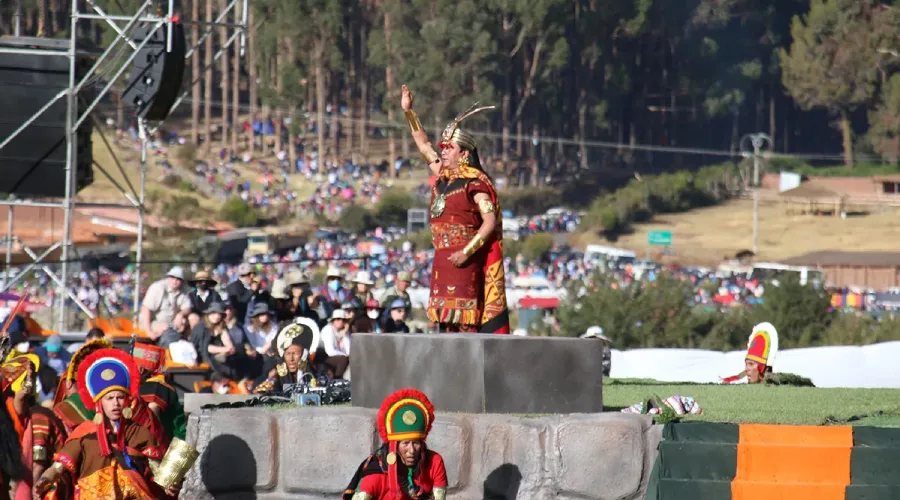
Why food is central to Inti Raymi
Inca rituals included offerings to Pachamama and the sun—maize beer (chicha), coca and sacrificed animals (today represented symbolically on stage). Popular cuisine in Cusco still reflects that worldview: ingredients from specific altitudes, seasonal corn varieties and communal cooking.
During Inti Raymi week, municipal fairs and private restaurants highlight cusqueño classics. Eating locally supports farmers from the Sacred Valley who supply potatoes and choclo (Andean corn) year-round.
Dishes you should try at least once
Order these with an open mind—textures and flavors differ from European or North American comfort food, but they are the authentic taste of the Andes.
- Chiri uchu: roasted guinea pig, sausage, cheese, toasted corn and rocoto on one plate—eaten cold, traditionally during major festivals.
- Cuy chactado or al horno: guinea pig, crispy or baked, often with potatoes and ají.
- Pachamanca: pork, chicken, fava beans and potatoes cooked with hot stones underground—order a day ahead at specialized venues.
- Chairo: hearty soup with chuño (freeze-dried potato), lamb and vegetables—ideal after a cold morning at the ceremony.
- Quinoa soup or timpu: nourishing bowls popular with locals at lunch.
- Mazamorra morada or capi: sweet desserts made from purple corn and dried fruits.
Markets, fondas and restaurants
San Pedro Market offers juices, empanadas and set lunches (menús) at fair prices—go early for cleanliness and turnover. San Blas has cafés with fusion menus if you need vegetarian options.
For special dinners, book restaurants in advance—June fills quickly. Ask if they source from local producers; many post tasting menus tied to Inti Raymi.
Chicha, coca tea and responsible drinking
Chicha de jora (fermented corn) is traditional; frutillada blends strawberry juice for a sweeter version. Chicherías often mark doors with red flags or balloons—step inside respectfully and ask prices before drinking.
Coca tea is legal in Peru and commonly offered for altitude— it is not the same as illicit cocaine. Avoid excessive alcohol the night before Sacsayhuamán; dehydration worsens altitude symptoms.
Vegetarian, gluten-free and allergies
Andean cuisine is potato- and corn-heavy—vegetarians can eat well with soups, stuffed rocoto (ask for meat-free filling), cheese tamales and quinoa dishes. Celiac travelers should confirm if soups use wheat flour; many traditional recipes do not.
Communicate allergies clearly in Spanish: "Soy alérgico/a a…" Carry medication and consider travel insurance that covers medical care in Cusco clinics.


