
 Español
 Español (Perú)
 Français
 Deutsch
 Italiano
 Nederlands
 UK English

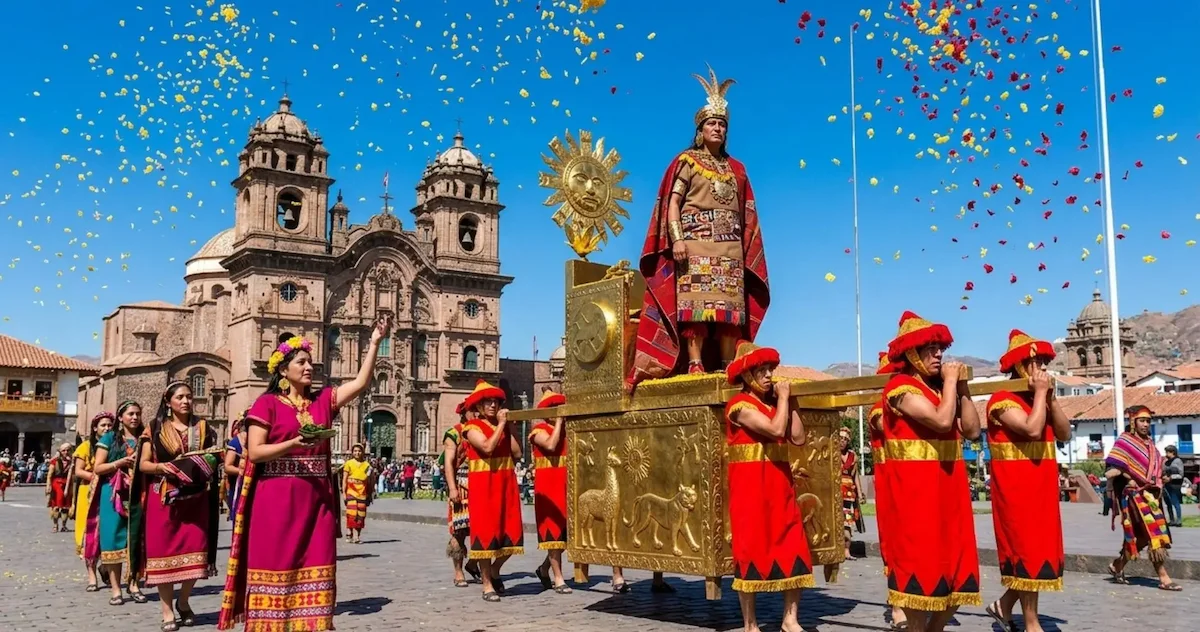
Was bedeutet „Inti Raymi“?
Der Name stammt aus dem Quechua: Inti bedeutet Sonne; Raymi bedeutet Fest oder Feier. Zusammen beschreiben sie eine Zeremonie der Dankbarkeit und Erneuerung im Rhythmus des Sonnenzyklus. Für die Inka war die Sonne kein abstraktes Symbol—sie strukturierte den Kalender, legitimierte imperialen Anspruch und verband Bauern mit dem Rhythmus von Aussaat und Ernte in den Anden.
In der modernen Vermarktung heißt das Ereignis oft „Sonnenfest“—zutreffend, aber unvollständig. Inti Raymi drückt auch Gegenseitigkeit (ayni) mit Pachamama (Mutter Erde) aus durch Opfergaben aus Chicha, Coca und symbolischen Darstellungen, die heute in der öffentlichen Zeremonie ohne Tierleid stattfinden.
Ursprünge im Inkareich
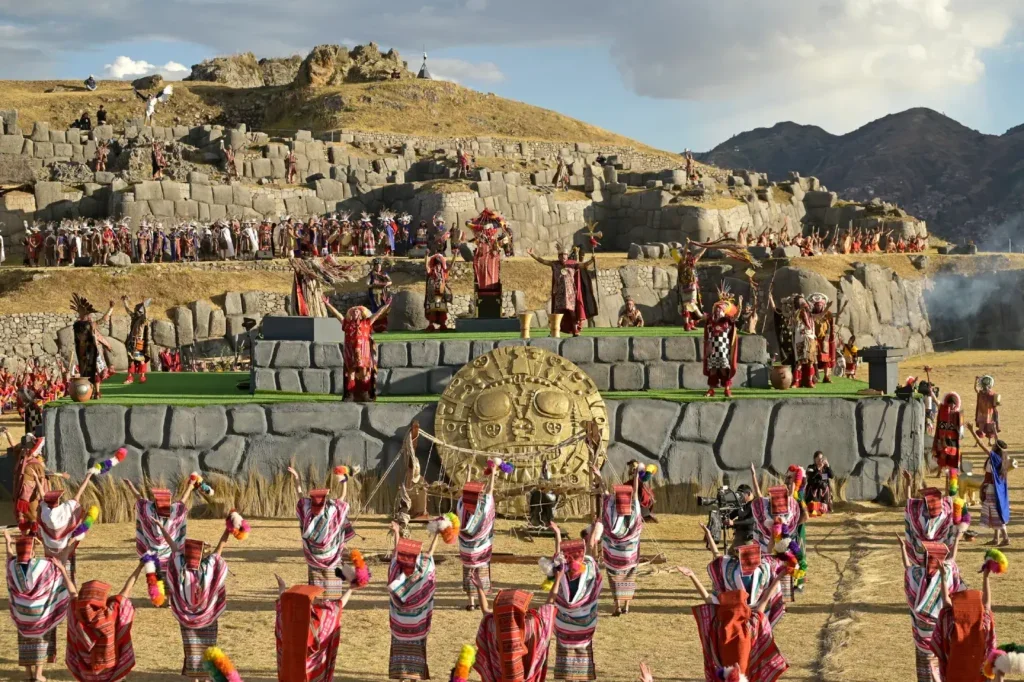
Historische Quellen (besonders Garcilaso de la Vega) beschreiben große Sonnenfeste unter Pachacutec im 15. Jahrhundert. Die Zeremonie fiel mit der australischen Wintersonnenwende zusammen—wenn die Sonne Cuscos Breite am weitesten entfernt ist und die Tage am kürzesten—und markierte den Beginn eines neuen landwirtschaftlichen Zyklus.
Der Inka-Staat nutzte öffentliches Ritual zur Machtdemonstration: der Sapa Inca, Adel, Priester und Delegationen der vier Suyos (Regionen) des Tahuantinsuyo nahmen teil. Qoricancha, der Sonnentempel, war das spirituelle Herz; die Festung Sacsayhuamán beherbergte riesige Versammlungen.
Vom kolonialen Verbot zur modernen Wiederbelebung
Spanische Kolonialbehörden unterdrückten indigene öffentliche Rituale als Bedrohung der katholischen Dominanz. Inti Raymi endete jahrhundertelang als offizielle Staatszeremonie.
1944 belebten Intellektuelle und Künstler in Cusco eine inszenierte Nachstellung auf Basis von Chroniken und archäologischer Vorstellung wieder. EMUFEC (Städtisches Unternehmen für Cusco-Festlichkeiten) produziert das Ereignis seither jährlich. Es ist Kulturerbe-Theater mit wissenschaftlicher Beratung—kein Anspruch auf ungebrochene Geheimtradition, sondern bewusste Identitätsrückgewinnung.
Was passiert heute bei Inti Raymi?
Mehr als 500 Schauspieler, Tänzer und Musiker führen eine Erzählung auf Quechua und Spanisch auf. Der Sapa Inca wird durch ein anspruchsvolles kommunales Auswahlverfahren besetzt. Szenen rekonstruieren Berichte an die Sonne, Rituale mit Coca und Chicha, Prozessionen und Tänze der vier Suyos.
Das Publikum erlebt am 24. Juni drei Freiluft-„Bühnen“: einen Morgengruß in Qoricancha, eine bürgerliche Zeremonie auf der Plaza de Armas und das Hauptspektakel am Nachmittag in Sacsayhuamán. Jedes Segment treibt dieselbe Geschichte voran—der Winter weicht, die Sonne muss zurückkehren, Fruchtbarkeit muss für das Land gesichert werden.
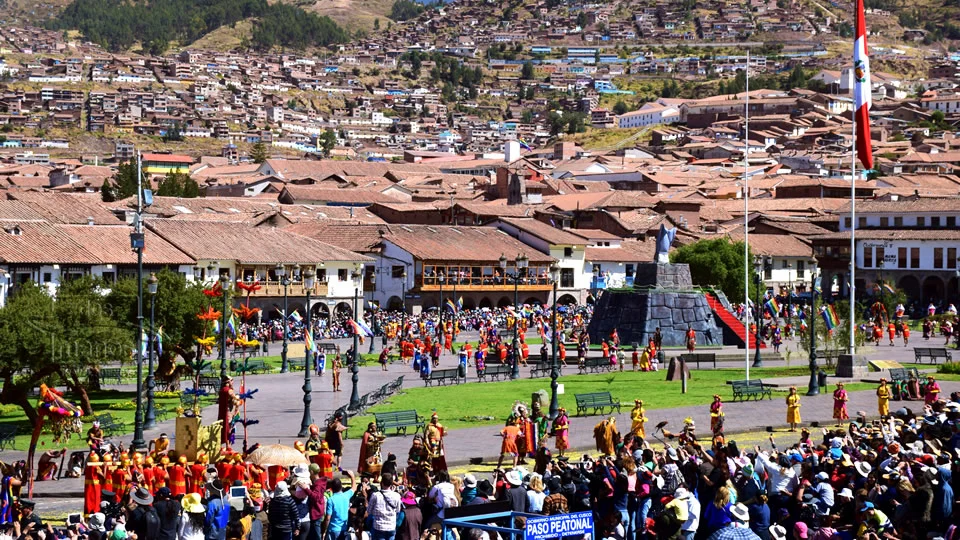
Die drei Zeremonienstufen (Überblick)
Besucher fragen oft, ob alle drei Pflicht sind. Ideal ja—die Erzählung ist fortlaufend—viele Reisende sehen Morgenakte von der Straße und reservieren nur für Sacsayhuamán einen Tribünenplatz.
- Qoricancha Eröffnungsanrufung der Sonne am Sonnentempel—intim, bei Tagesanbruch.
- Plaza de Armas Coca-Ritual, Chicha-Opfer und Ansprache an die Stadt—hohe Emotion und Menschenmassen.
- Sacsayhuamán Haupttänze, symbolische Opfer und abschließender Segen—Sitzplanung erforderlich.
Warum Inti Raymi im 21. Jahrhundert zählt
Für Cusco ist das Fest Wirtschaftsmotor und kultureller Stolz: Hotels füllen sich, Handwerker verkaufen Textilien, globale Medien senden Andenbilder. Für indigene und mestizische Gemeinden validiert es Quechua auf der Weltbühne.
Kritiker sprechen von „Touristentheater“. Befürworter antworten: lebende Kulturen entwickeln sich—die italienische Oper ist nicht weniger real, weil sie inszeniert ist. Entscheidend ist Respekt: recherchierte Kostüme, Sprachunterricht für Schauspieler und Publikum, das Kontext lernt statt Darsteller als Fotorequisiten zu behandeln.
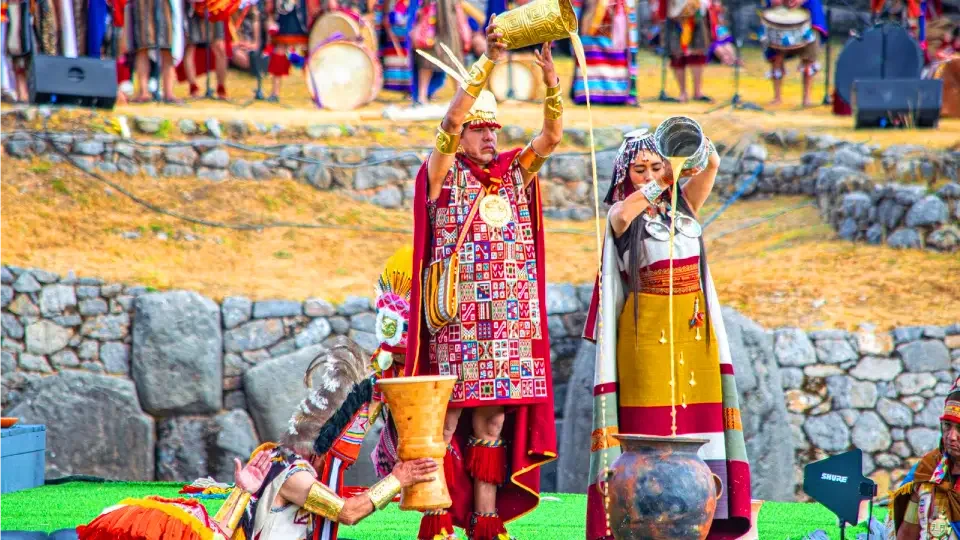
Respektvoll als Besucher erleben
Sie sind Zeuge eines stadtweiten Rituals, keiner Themenpark-Show. Kommen Sie Tage früher zur Höhenanpassung, buchen Sie Tribünen über autorisierte Pakete und lesen Sie praktische Leitfäden zu Sektoren und Zeiten.
Applaudieren Sie nach Szenen, nicht während Opfergaben. Fragen Sie um Erlaubnis vor Nahporträts von Schauspielern in Kostüm. Ein paar Quechua-Phrasen ehren lokale Mühe.
- Planen Sie um den 24. Juni plus die Woche von Fronleichnam (Corpus Christi).
- Tribünenplätze 3–5 Monate im Voraus für beste Sektoren reservieren.
- Machu Picchu nur kombinieren, wenn Zugtickets früh gesichert sind.
- Lokale Guides unterstützen, die Symbolik erklären, nicht nur Logistik.
Inti Raymi vs. andere Juni-Events in Cusco
Fronleichnam (bewegliches Datum, meist Anfang Juni) bringt Prozessionen und das Gericht Chiri Uchu. Ursprünglich katholisch, tief cusqueñisch. Inti Raymi ist die indigen verwurzelte Sonnenwende-Erzählung. Beides füllt die Stadt—Unterkunft für den ganzen Monat planen, nicht nur einen Tag.
Karneval und andere regionale Feste fallen zu anderen Zeiten; im globalen Reisekalender gehört Juni dem Sonnenfest.


