
 Español
 Español (Perú)
 Français
 Deutsch
 Italiano
 Nederlands
 UK English

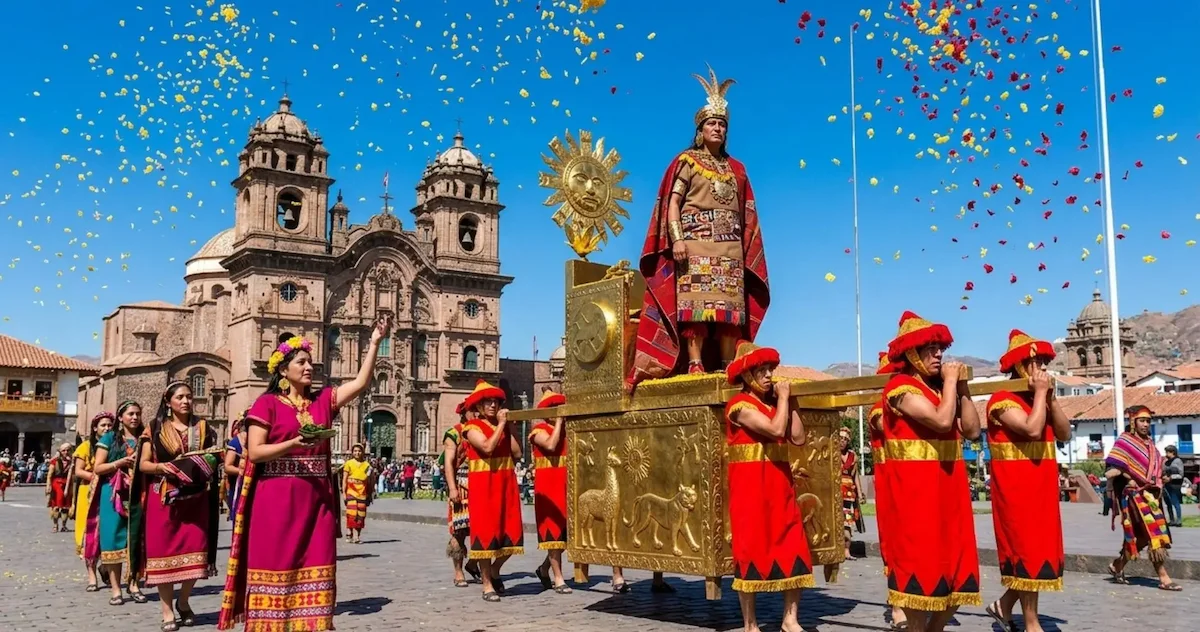
Wat betekent “Inti Raymi”?
De naam komt uit het Quechua: Inti betekent zon; Raymi betekent feest of viering. Samen beschrijven ze een ceremonie van dankbaarheid en vernieuwing verbonden aan de zonnecyclus. Voor de Inca's was de zon geen abstract symbool—zij structureerde de kalender, rechtvaardigde keizerlijke autoriteit en verbond boeren met het ritme van zaaien en oogsten in de Andes.
Moderne marketing vertaalt het vaak als “Zonnefeest”, wat klopt maar onvolledig is. Inti Raymi drukt ook wederkerigheid (ayni) met Pachamama (Moeder Aarde) uit door offers van chicha, coca en symbolische offers die vandaag in het openbare ritueel zonder dierenleed worden uitgevoerd.
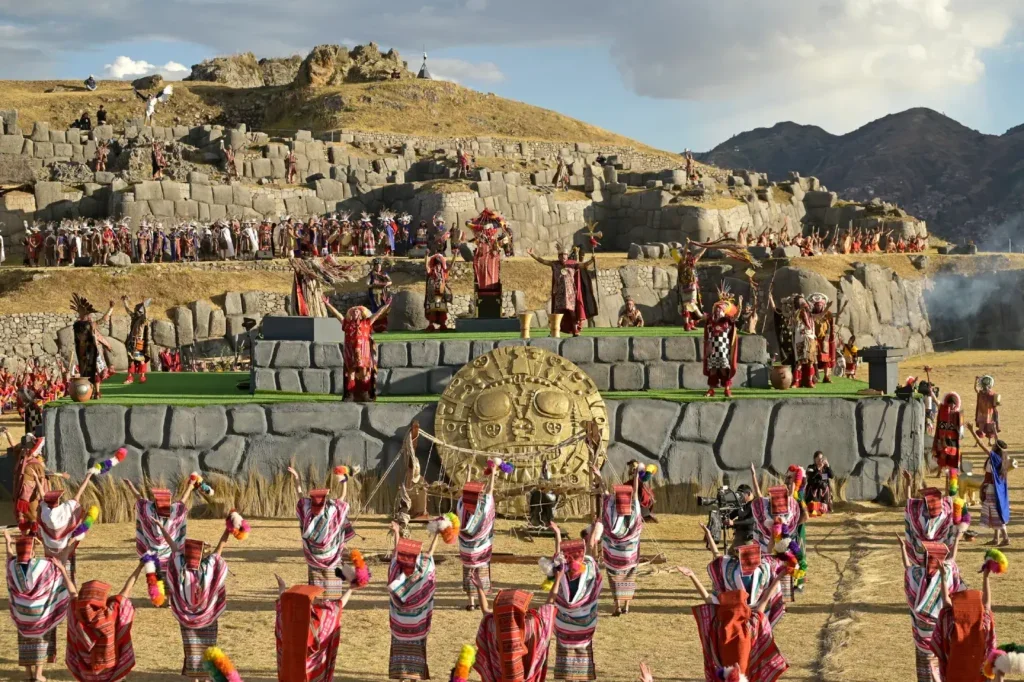
Oorsprong in het Incarijk
Historische bronnen (vooral Garcilaso de la Vega) beschrijven grote zonfeesten tijdens de regering van Pachacutec in de 15e eeuw. De ceremonie viel samen met de zuidelijke winterzonnewende—wanneer de zon het verst van de breedtegraad van Cusco staat en de dagen het kortst zijn—en markeerde het begin van een nieuwe landbouwcyclus.
De Inca-staat gebruikte openbare rituelen om macht te tonen: de Sapa Inca, adel, priesters en delegaties uit de vier suyos (regio's) van het Tahuantinsuyo namen deel. Qoricancha, de Zonnetempel, was het spirituele hart; het fort Sacsayhuamán ontving massale bijeenkomsten.
Van koloniaal verbod tot moderne herleving
Spaanse koloniale autoriteiten onderdrukten inheemse openbare rituelen als bedreiging voor het katholieke dominante geloof. Inti Raymi hield op als officiële staatsceremonie gedurende eeuwen.
In 1944 herleefden intellectuelen en kunstenaars in Cusco een gescripte reconstructie op basis van kronieken en archeologische verbeelding. EMUFEC (Gemeentelijk Bedrijf van Festiviteiten Cusco) produceert het evenement jaarlijks. Het is erfgoedtheater met wetenschappelijke adviseurs—geen claim op ononderbroken geheime traditie, maar een bewuste herwinning van identiteit.
Wat gebeurt er vandaag bij Inti Raymi?
Meer dan 500 acteurs, dansers en muzikanten voeren een verhaal uit in Quechua en Spaans. De Sapa Inca wordt gekozen via een streng gemeentelijk proces. Scènes reconstrueren verslagen aan de zon, rituelen met coca en chicha, processies en dansen die de vier suyos vertegenwoordigen.
Het publiek beleeft drie openlucht-“podia” op 24 juni: een dageraadsgroet in Qoricancha, een burgerlijke ceremonie op de Plaza de Armas en het hoofdspektakel in Sacsayhuamán in de namiddag. Elk segment vervolgt hetzelfde verhaal—de winter gaat voorbij, de zon moet terugkeren, vruchtbaarheid moet voor het land worden veiliggesteld.
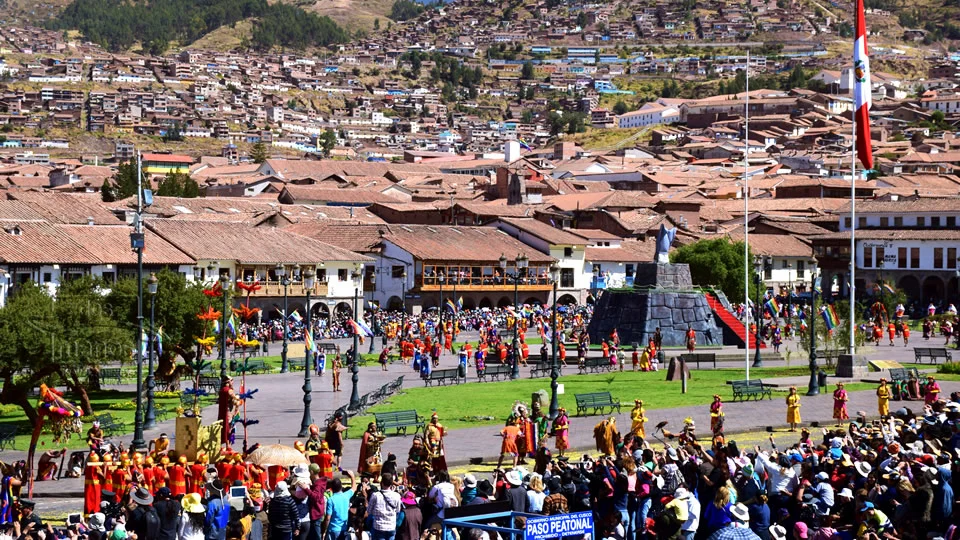
De drie ceremoniële fases (samenvatting)
Bezoekers vragen vaak of ze alle drie moeten bijwonen. Idealiter ja—het verhaal is sequentieel—maar veel reizigers zien de ochtendacts vanaf de straat en reserveren alleen een tribuneplaats voor Sacsayhuamán.
- Qoricancha Openingsaanroeping aan de zon in de Zonnetempel—intiem, bij zonsopgang.
- Plaza de Armas Coca-ritueel, chicha-offer en toespraak tot de stad—veel emotie en drukte.
- Sacsayhuamán Hoofddansen, symbolische offers en laatste zegening—planning voor zitplaatsen vereist.
Waarom Inti Raymi ertoe doet in de 21e eeuw
Voor Cusco is het festival economische motor en culturele trots: hotels zitten vol, ambachtslieden verkopen textiel en wereldmedia tonen Andijnse beelden. Voor inheemse en mestizo-gemeenschappen valideert het Quechua op een wereldpodium.
Critici noemen het soms “toeristisch theater”. Voorstanders antwoorden dat levende culturen evolueren—Italiaanse opera is niet minder echt omdat ze wordt opgevoerd. Wat telt is respect: onderzochte kostuums, taal die aan acteurs wordt geleerd, en publiek dat context leert in plaats van performers als fotorekwisiet te behandelen.
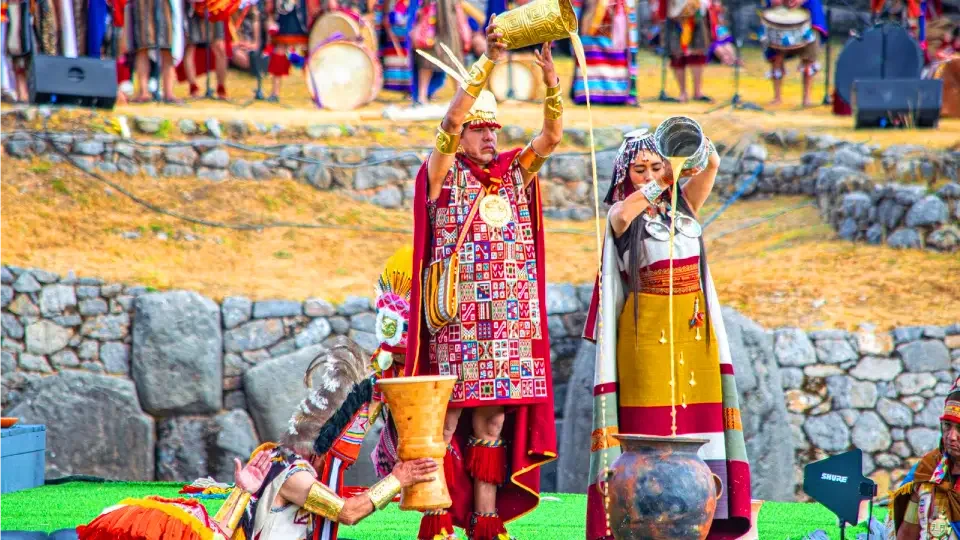
Hoe u het respectvol beleeft als bezoeker
U bent getuige van een stadbreed ritueel, geen pretparkshow. Kom enkele dagen eerder om te acclimatiseren op hoogte, boek tribunes via geautoriseerde pakketten en lees praktische gidsen over sectoren en timing.
Applaudisseer na scènes, niet tijdens offers. Vraag toestemming vóór close-upportretten van acteurs in kostuum. Een paar Quechua-zinnen leren eert lokale inspanning.
- Plan rond 24 juni plus drukte in de week van Corpus Christi.
- Reserveer tribuneplaatsen 3–5 maanden van tevoren voor de beste sectoren.
- Combineer met Machu Picchu alleen als treinkaartjes vroeg zijn beveiligd.
- Steun lokale gidsen die symboliek uitleggen, niet alleen logistiek.
Inti Raymi vs. andere juni-evenementen in Cusco
Corpus Christi (bewegelijke datum, meestal begin juni) heeft processies en het gerecht chiri uchu. Het is katholiek van oorsprong maar diep cusqueño. Inti Raymi is het inheems gewortelde zonnewende-verhaal. Beide vullen de stad—plan accommodatie voor de hele maand, niet één dag.
Carnaval en andere regionale festivals vallen op andere momenten; juni behoort tot het Zonnefeest in wereldwijde reiskalenders.


